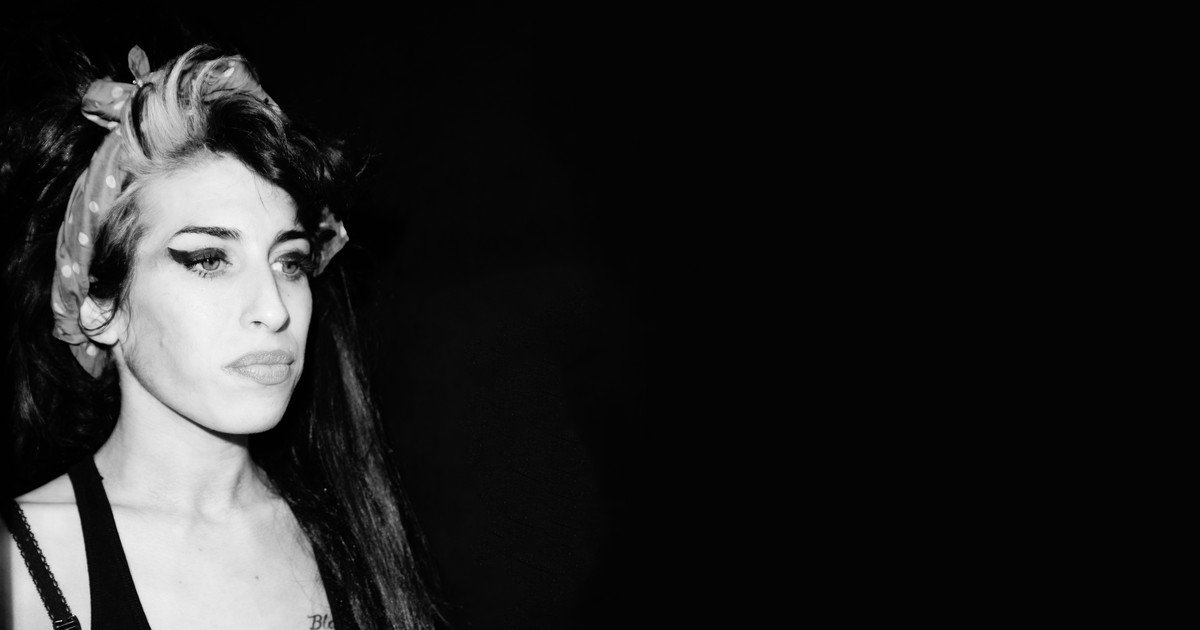
Mark Ronson called Amy Winehouse a musical “monster” on stage this week, and the word landed like the compliment it was meant to be. At the 20th anniversary concert for Back to Black at London’s Roundhouse on October 21, the 51-year-old producer led an all-star celebration of the album he co-produced with Salaam Remi, and his tributes to Winehouse’s genius were the emotional spine of the night.
“Amy’s musicality, she was like a monster, and I definitely want everybody to know that,” Ronson told the crowd before performing “Love Is a Losing Game” with Yebba. The stripped-down ballad, with Ronson’s guitar work behind Yebba’s voice, was played the way Winehouse first played it for him, complicated jazzy chords and all. “I don’t even know what I’m doing right now,” he admitted, to laughter and cheers.
The Overnight Riff That Made History
Ronson first met Winehouse in New York in March 2006, when he was working on music for her second album. The pair bonded instantly over 1960s music, and Ronson famously wrote the piano riff for the album’s title track overnight after their first meeting. The two went on to collaborate on “Rehab” and “You Know I’m No Good,” songs that would define an era.
Winehouse’s songwriting was the night’s recurring theme. Ronson marveled at chords “so complicated and jazzy” that even he, the record’s producer, struggled to play them two decades later. It was a rare public glimpse of an artist humbled by his own collaborator.

Rehab’s New Voice
The night’s closing honor went to Jessie Reyez, 35, who took on the defiant anthem “Rehab.” Ronson introduced her with one of the evening’s most quoted lines: “She has this rasp in her voice and she reminds me of Amy the way she writes, it’s so raw and no bulls—.”
Reyez’s vocal performance closed the Back to Black portion of the evening, capping a lineup that had moved through every track: Corinne Bailey Rae opening with the title song, Sasha Keable’s “Just Friends,” Nia Smith’s “Tears Dry on Their Own,” Skye Newman’s “Addicted,” Terri Walker’s “Me & Mr. Jones,” Lianne La Havas’s “You Know I’m No Good,” Baby Rose’s “Wake Up Alone,” Jorja Smith’s “Some Unholy War” and FLO’s “He Can Only Hold Her.”

The Valerie Finale
After the crowd erupted in applause, Ronson brought every singer back for the finale: “Valerie,” the Zutons cover Winehouse recorded for Ronson’s Version album. It was the perfect accompaniment-free singalong ending, all voices raised on the song that, more than any other, belongs to both of them.
“I can’t believe I got to be involved with that record,” Ronson said. “I understand how important it is for people.” Winehouse died on July 23, 2011, at 27; the album, released October 27, 2006, turns twenty next week with a deluxe anniversary edition due Friday and a full BBC broadcast of the concert coming later this month.

A Setlist Built Like a Life Story
The genius of the night’s construction was its sequencing. Opening with the title track established the album’s thesis immediately: this was Winehouse’s world, and everyone else was a guest in it. From there the show moved through the record’s emotional geography, from the swagger of “Just Friends” and “Tears Dry on Their Own” to the ache of “Addicted” and “Me & Mr. Jones,” each singer finding her own door into songs the world knows by heart.
The middle stretch belonged to the heavy hitters. Lianne La Havas took on “You Know I’m No Good,” one of the songs Ronson and Winehouse built together in those first 2006 sessions. Baby Rose brought her deep, distinctive vocals to “Wake Up Alone,” and Jorja Smith delivered “Some Unholy War” with the gravity it demands. FLO’s take on “He Can Only Hold Her” channeled the ’60s girl groups that shaped Winehouse’s sound, a neat historical rhyme for an album built on retro-soul foundations.
Why Reyez Was the Right Closer
Choosing Jessie Reyez for “Rehab” was a statement about lineage. The song is Winehouse’s most defiant anthem, a middle finger wrapped in a Motown bounce, and it needed a singer with grit to spare. Reyez, 35, brought exactly that, along with the rasp Ronson praised so effusively. His introduction framed her as a torchbearer rather than an imitator: someone who writes with the same rawness that made Winehouse singular.
The all-star “Valerie” finale then dissolved every boundary the setlist had drawn. Singers who had performed solo all night crowded the stage together for the Zutons cover, the song that belongs to both Winehouse and Ronson equally. It was the kind of ending that turns a concert into a memory, and the Roundhouse crowd, in Winehouse’s beloved Camden, sent the night off the way she would have wanted: loud.
Fifteen Years Later, Still Unmatched
More than fifteen years after Winehouse’s death, the tributes keep coming because the music keeps demanding them. Back to Black did not just revive retro-soul; it rewrote the rules for what a confessional pop record could be, and every singer on the Roundhouse stage owed it a debt. Ronson’s word for her musicality, monster, was the night’s thesis: a talent so large it still intimidates the people who helped create it.
As the deluxe anniversary edition arrives and the BBC broadcast brings the concert to millions more, the celebration moves from Camden to the world. But its heart stays in that room, where eleven voices and one band proved that some records do not age. They deepen.
Also read:Inside the Star-Studded Back to Black 20th Anniversary Show Led by Mark Ronson