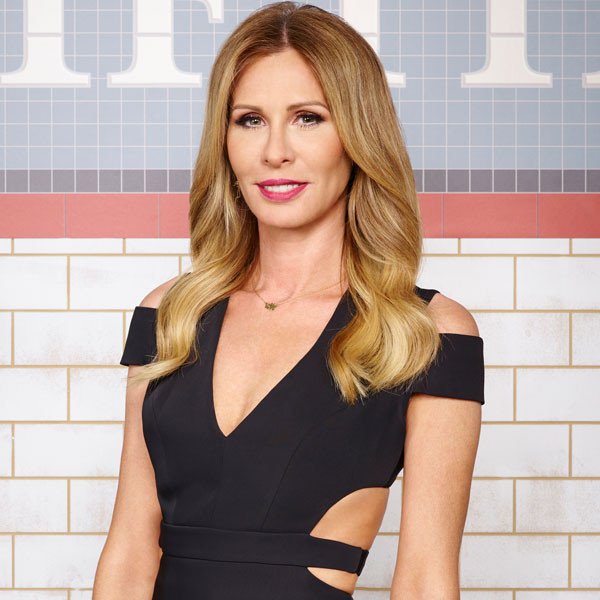
Carole Radziwill’s years in network news provide a useful way to understand why her presence on reality television has often felt different from a conventional cast storyline. Before viewers knew her from The Real Housewives of New York City, she was a journalist and television producer at ABC News. That newsroom experience did not make reality television a reporting assignment, but it gave her a professional background in observation, interviews, and shaping a story from many moving parts.
FROM ABC NEWS TO A DIFFERENT KIND OF CAMERA
Radziwill began her career at ABC News and worked with Peter Jennings’ documentary unit. Her assignments took her into stories far removed from the social settings usually associated with reality TV, including reporting connected to Cambodia, Israel, and the Menendez case. She spent years working in a format where preparation, source conversations, and context mattered. The audience saw a finished report, while producers and journalists had to decide what information was established, what still needed checking, and how to present complicated events clearly.
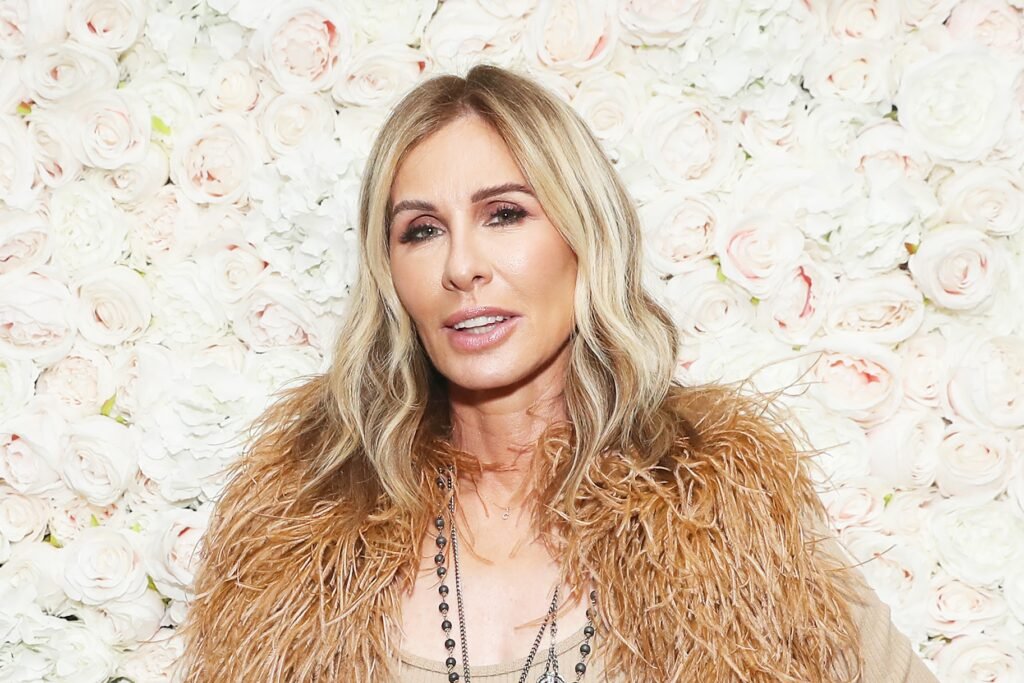
That professional foundation helps explain the contrast viewers may notice when she appears in an unscripted ensemble. A documentary producer typically has a defined subject and a production team shaping the final piece. A reality cast member is also part of the scene being filmed. The camera may be present during a dinner, trip, or disagreement, but the people in the room are not simply reporters collecting information about someone else. They have their own relationships, reactions, and reputations at stake.
WHY JOURNALISTIC HABITS CAN CHANGE A REALITY-TV SCENE
A background in journalism can encourage a person to ask follow-up questions, notice contradictions, or pause before accepting a dramatic version of events. Those habits can add a different rhythm to a reality show built around group conversation. Rather than immediately matching the room’s volume, a cast member may watch first, ask for detail, or respond with a dry observation. That can make a moment memorable without turning it into a shouting match.
It is important, though, not to confuse a journalist’s past with the standards of a reality series. The two formats have different goals and methods. A news report is expected to verify facts and distinguish evidence from opinion. A reality program is entertainment assembled from real interactions, edited episodes, interviews, and production choices. The presence of a former journalist does not mean every scene functions like a news investigation. It means that person may bring a practiced way of listening and framing what is happening.
FROM FIELD REPORTING TO MEMOIR
Radziwill’s career later moved from television production toward writing. Her memoir, What Remains: A Memoir of Fate, Friendship and Love, grew from personal experience and reflected on her early life, journalism, and the illness and death of her husband, Anthony Radziwill. The book connected public-facing work with private loss, showing another side of a career that had previously been associated with reporting and production.
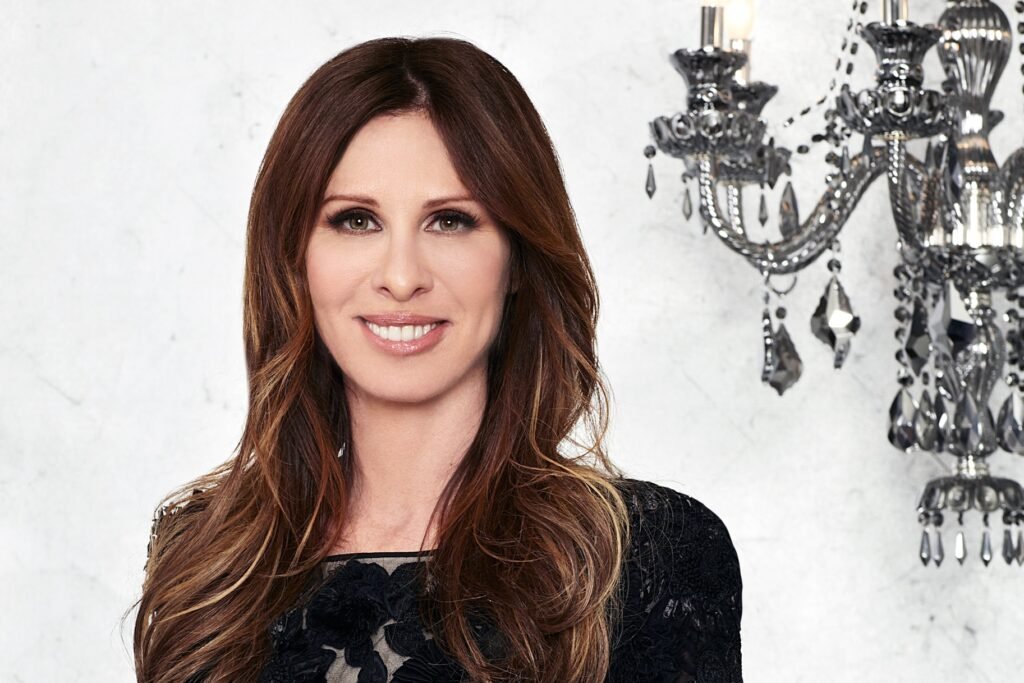
Memoir and journalism share some tools—careful observation, scene-setting, and the selection of details—but they are not interchangeable. A memoir is shaped by the writer’s memory and point of view. Its purpose is to make sense of an individual life, not to offer the same kind of independent verification as a reported news story. The distinction matters when discussing Radziwill’s work: she has moved between forms, and each one asks readers to understand the material on its own terms.
Her later fiction, including The Widow’s Guide to Sex and Dating, added another format to that creative path. Moving between reporting, memoir, a novel, and unscripted television means switching the relationship between the storyteller and the audience. A journalist explains events from a reporting position. A memoirist looks back from inside a personal experience. A novelist builds an imagined world. A reality-TV participant appears as herself, while producers decide how scenes fit into an episode.
WHAT A REALITY-TV EDIT CAN AND CANNOT SHOW
The editing process is one reason a former journalist’s perspective can become a topic of conversation. A full day of filming may produce far more footage than an episode can include. Producers choose scenes, shorten conversations, and organize moments into a story arc. Viewers then meet the cast through a compressed version of events. Anyone on a reality series may find that the final episode emphasizes one exchange while leaving out the wider context around it.
That does not automatically make an episode false. It does mean that an edited show is not a complete record of every interaction. A careful viewer can enjoy the story while remembering that a televised scene has been selected and arranged. Radziwill’s newsroom background may make her especially aware of narrative construction, but she is still participating in the same production process as the other cast members. The finished program reflects both lived moments and television storytelling.
WHY THE RETURN STORY IS ONLY ONE PART OF THE PICTURE
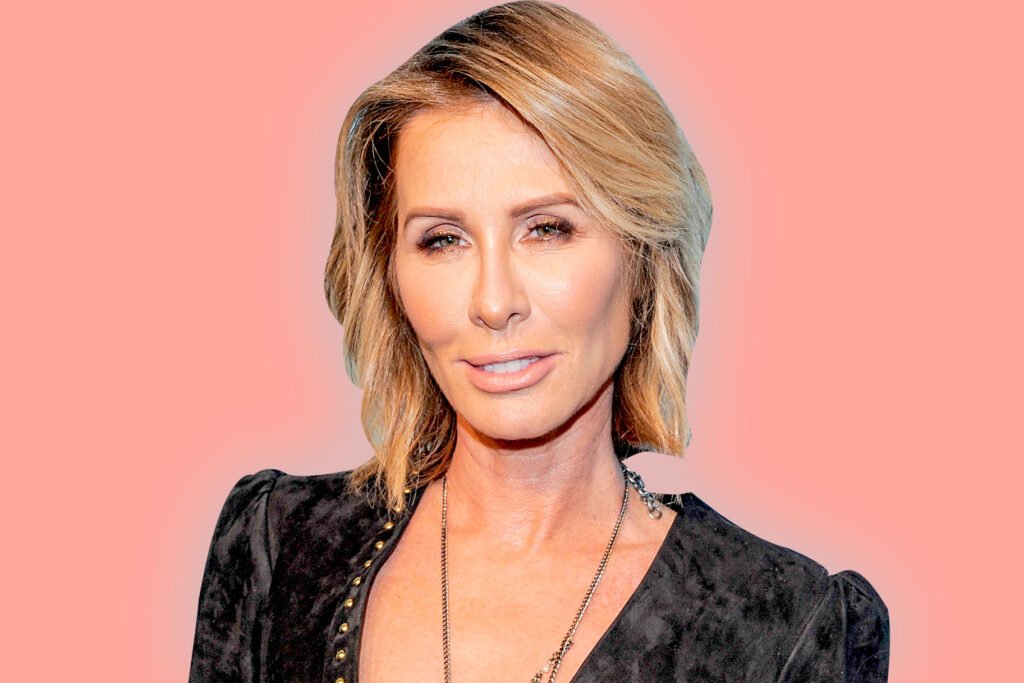
Radziwill’s public profile has often been discussed through the lens of her time on RHONY and her appearances around the franchise. A return can renew interest, but it is only one piece of a career that began in journalism and continued through books and television. Looking at that wider path helps explain why audiences may respond to her differently from a cast member whose public identity was formed entirely by reality TV.
The distinction is not a ranking of one kind of television over another. Reality entertainment can create compelling conversations and introduce viewers to personalities they would not otherwise encounter. Journalism, memoir, and fiction each offer their own ways to tell stories. The more useful question is how a person carries one set of skills into a new format and what changes when the setting changes.
WHY HER CAREER STILL INTERESTS VIEWERS
A CAREER THAT MOVES BETWEEN STORY FORMS
The interest in Radziwill’s return to a reality-TV setting can sit alongside a larger conversation about her path between different kinds of storytelling. Her career shows how a person can move from reporting to authorship and then to a show that asks its cast to live in front of cameras. Each transition changes what the audience expects and how the material is presented.
For viewers, that context adds depth without requiring every episode to become a career retrospective. It explains why a quiet observation may land differently, why an author may be attentive to how a scene is framed, and why a former producer understands that a final broadcast is built from many choices. The result is a distinct screen presence shaped by several kinds of work.
For her full life and career background, read the Carole Radziwill biography. The separate homepage report about her dinner recollection covers a different news event.
2 thoughts on “Carole Radziwill’s Newsroom Experience Gives Her a Different Lens on Reality TV”