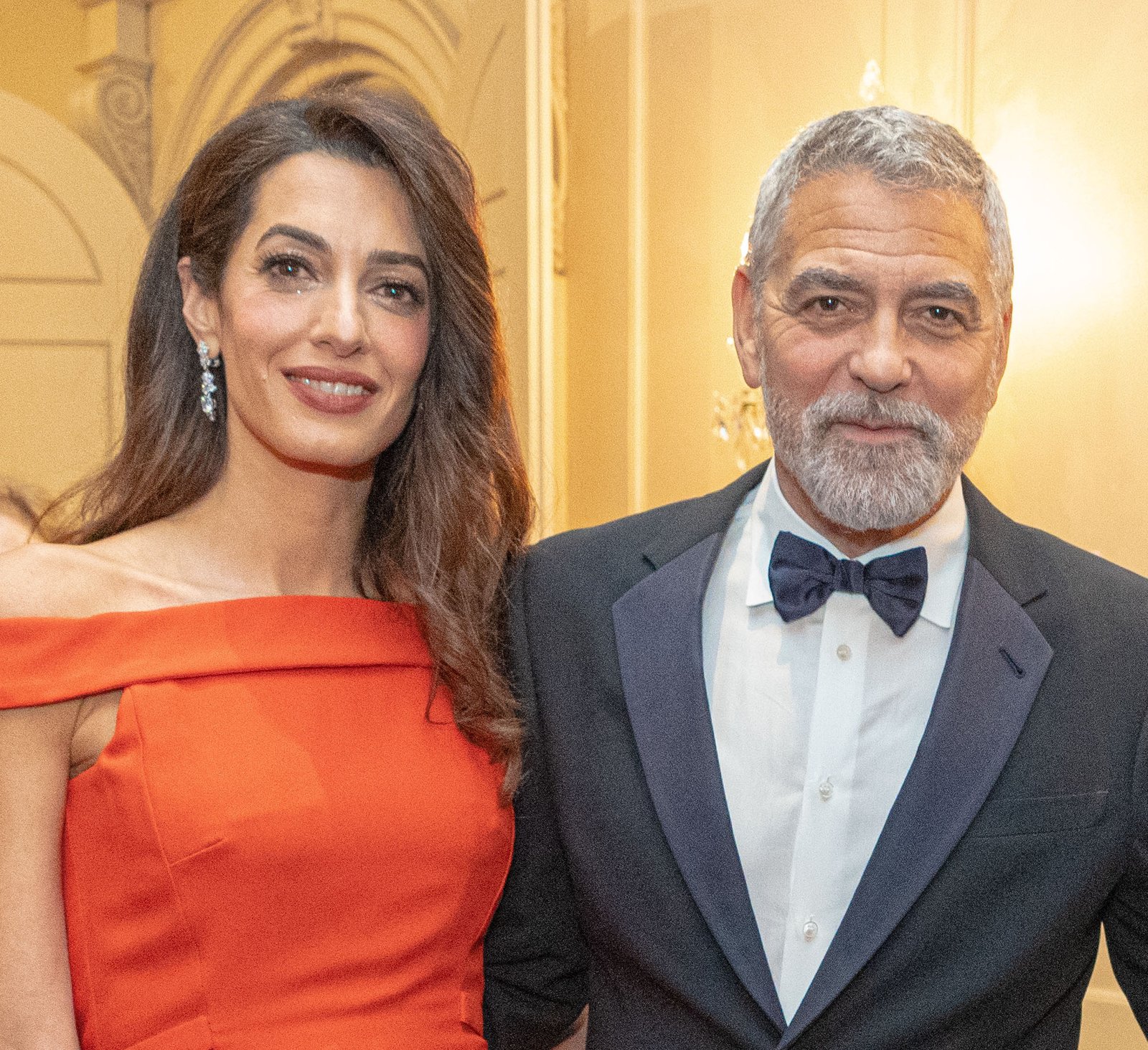
George Clooney arrived at the 2026 Venice International Film Festival for a career honor, but his public remarks looked ahead as much as they looked back. As he accepted the Golden Lion for Lifetime Achievement on September 2, Clooney spoke about the value of storytelling and the need to protect free expression. In a press conference around the ceremony, he also raised concerns about artificial intelligence, deepfakes and the public’s ability to tell reliable information from fabricated material. The Venice appearance was a different chapter from his later London Albies night with Amal.
A career honor framed by a changing industry
La Biennale di Venezia announced Clooney as the 2026 recipient before the festival opened, naming him an American actor, director and producer. The Golden Lion recognizes a long body of work, and the opening ceremony gave the festival a chance to place that career in public view. Clooney’s history with the Lido stretches back decades; he has returned as a performer, filmmaker and festival guest across changing phases of his work. The lifetime honor therefore served as a marker of continuity, while his comments turned toward challenges the film business is facing now.

The award was presented during the festival’s opening night, with actor Laura Dern delivering the tribute. Coverage of the ceremony highlighted Clooney’s appreciation for his wife, Amal, and their children, alongside his reflections on the role of art. Those personal acknowledgements were part of a public milestone, but the central subject of his address was broader: stories can help audiences see other people as fully human, and that capacity matters when public life is divided by fear or mistrust.
Why he connected storytelling with freedom
Clooney’s point about storytelling was not that a film can directly solve a political or social problem. It was that stories can widen a viewer’s sense of who deserves attention and empathy. That idea is familiar in his work as an actor, director and producer, but the Venice setting gave it a particular focus. A festival gathers people around films and makes the process of looking, listening and arguing part of a shared public event. For Clooney, the value of the art form lies partly in its ability to invite that exchange.

That emphasis also helps explain why an acceptance speech can reach beyond a list of career highlights. Awards usually look backward, selecting performances and contributions for recognition. Clooney used the occasion to discuss what artists and audiences owe one another in the present. The sentiment was not an argument that entertainment should replace reporting, scholarship or civic action. Instead, it placed cinema among the cultural spaces where people can encounter experiences beyond their own and consider how power shapes what is seen and heard.
The press conference turned to AI and deepfakes
At a separate media conversation in Venice, Clooney raised questions about artificial intelligence and the spread of convincing synthetic images and audio. Reuters reported that he was concerned these tools could make it harder to distinguish genuine evidence from fabricated content. The risk he described was not only that people might believe a false image; it was also that they could dismiss authentic material by claiming it was false. That erosion of shared confidence is a problem for journalists, filmmakers and anyone trying to make decisions from public information.

Clooney linked technology to the future of journalism
Clooney also connected the technology debate to concerns about who owns and distributes news. When a small number of companies or individuals control influential platforms, the rules of visibility can affect which reporting reaches the public. This is a structural concern, separate from whether a particular film or story is accurate. Reuters reported that Clooney spoke critically about concentrated media ownership and questioned the proposed Paramount and Warner Bros. combination. His remarks reflected his view at that press conference; they do not replace independent analysis of the deal or its likely effects.
The two concerns—synthetic content and concentrated distribution—meet at the question of trust. Audiences need ways to assess where information came from, whether it has been edited and who stands behind the outlet that publishes it. Newsrooms need time and resources to verify material. Filmmakers need clear agreements about the use of their performances and identities. None of those safeguards can be delivered by an actor alone. Clooney’s comments instead spotlighted a set of choices that regulators, platforms, studios, journalists and audiences will continue to debate.
Why Venice was a fitting place for the conversation
The trip also included a personal note. Clooney and Amal married in Venice in 2014, and he has described the city as important to them. Her presence at the ceremony brought that shared history into a night focused on his professional achievements. It is possible to note that support without turning the report into a red-carpet fashion recap: the main story remains his address and the issues he raised. A public career milestone can include family, artistry and debate at the same time.
A separate story from the Albies coverage
This Venice report covers a different event and subject from the Clooneys’ appearance at the 2026 Albies. That London ceremony focused on human-rights defenders and the Clooney Foundation for Justice; the Venice honor centered on George Clooney’s film career and his public comments about art, AI and journalism. Readers can follow the separate Albies coverage here. We are building the related biography in the Blog section. Sources: La Biennale di Venezia, Reuters and PEOPLE.
A lifetime achievement prize can be a comfortable point for a retrospective, but the Venice appearance was notable because Clooney used the attention to pose new questions. What does it mean to trust a photograph when synthetic images are easy to make? How can news find readers when ownership is concentrated? What can stories still do when people disagree about basic facts? His answers were not a policy plan. They were an artist’s public argument for keeping the conditions of creative expression and trustworthy information in view.
The discussion leaves room for readers to disagree with Clooney’s judgments about technology, ownership or corporate mergers while engaging with the issues he raised. That distinction is useful in celebrity coverage: a famous person’s remarks can be newsworthy without becoming the final word. Venice gave his comments a large audience, but verification, context and continued reporting remain essential. The story to follow is how the film and news industries respond as tools for generating and distributing media continue to change.