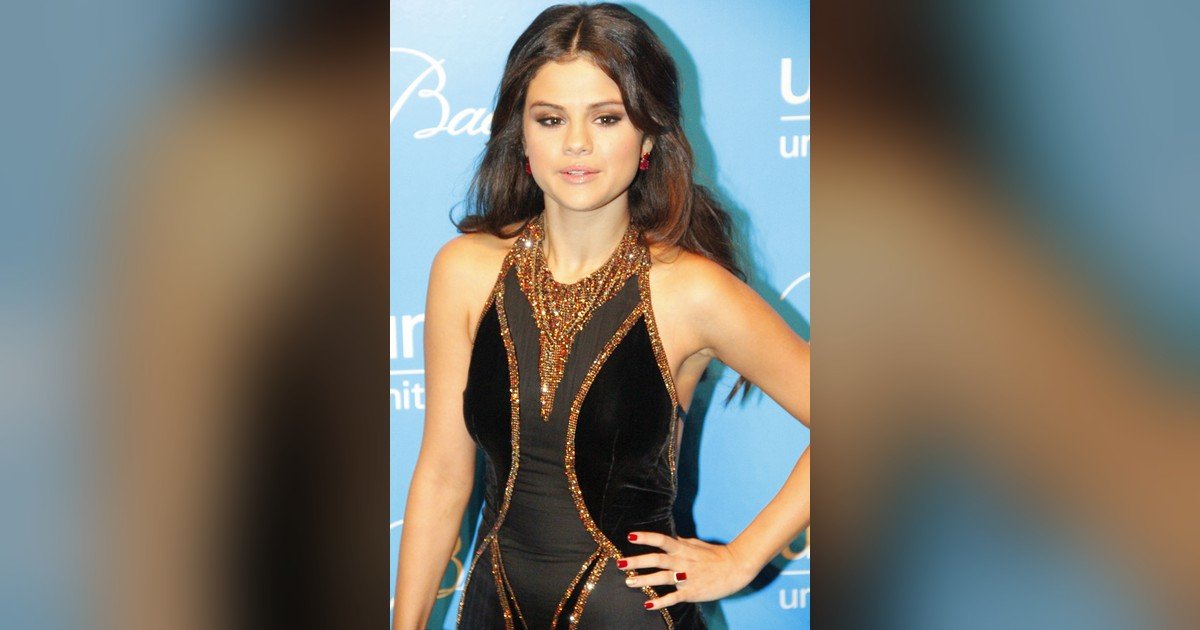
When Selena Gomez told the world this week that vaping nicotine had changed her voice — and that quitting has been “really hard” — nobody who has followed her career was surprised by the honesty. Surprising, disarming candor about her health is practically her signature at this point. She has been doing this for a decade.
Because long before Sunday’s Instagram Stories confession, Gomez had already lived one of the most public health journeys of any star of her generation. lupus. Chemotherapy. A kidney transplant. bipolar disorder. Each revelation delivered not through a publicist’s carefully worded statement, but in her own voice, on her own terms, usually straight to camera.
Her openness began with lupus, the autoimmune disease she was diagnosed with as a young woman. In 2015, Gomez revealed she had undergone chemotherapy as part of her treatment — news that, in retrospect, explained a career pause fans had been speculating about for months. At the time, the tabloids had filled the silence with the usual noise: burnout, rehab rumors, drama. The truth was both simpler and more serious: she was sick, and she was getting treatment.
Then, in 2017, she shared something even more personal — and did it with the same startling directness. In an Instagram post that stopped the internet, Gomez revealed she had received a kidney transplant over the summer, with her close friend Francia Raisa serving as the donor. She shared a photo from the hospital bed, scar visible, no glamour, no filter. The transplant revelation reframed everything fans thought they knew about her quiet periods. This wasn’t a star taking time off between projects; this was a young woman fighting for her health while the world speculated about her love life.
The response was seismic — not just sympathy, but a fundamental shift in how the public understood her. The “breaks” in her career weren’t mysteries anymore. They were medical necessities.

Then came 2020, when Gomez disclosed her bipolar disorder diagnosis during an Instagram Live conversation — casually, almost in passing, the way someone might mention a food allergy. “I’m going to be honest,” she said, describing the profound clarity the diagnosis had given her after years of confusion, anxiety, and depression she couldn’t name. For millions of young people watching — many navigating their own undiagnosed mental health struggles — the moment was electric. Here was one of the most famous people on earth, saying the quiet part out loud.
Each disclosure followed the exact same pattern as this week’s vaping confession: no drama, no spin, no exclusive magazine cover timed to a project — just Selena talking to her fans like people she trusts. The medium is almost always the same, too: Instagram, direct to camera, unpolished. The Instagram Stories confessional has become her signature format — intimate, temporary, and radically unmediated.
That trust, crucially, runs both ways. Gomez’s fanbase has become famous for its fierce protectiveness, rallying around her through every health update with an intensity that few other fandoms can match. When she posts about a struggle, the response isn’t gossip or speculation — it’s an outpouring of support that regularly trends worldwide, with fans sharing their own stories of lupus, bipolar disorder, and now nicotine addiction. She created, almost by accident, one of the largest peer-support communities on the internet.
What makes her approach genuinely radical isn’t just the honesty — it’s what she has built on top of it. Through her Rare Beauty cosmetics brand, launched in 2020, Gomez funneled her platform into structured mental health advocacy, creating the Rare Impact Fund with the goal of raising $100 million for mental health services. The brand’s entire messaging — that makeup should be about self-expression rather than perfection — is inseparable from her personal story. It isn’t marketing; it’s autobiography with a supply chain.
The industry noticed. Her recent inaugural Beauty Impact Award, honoring her barrier-breaking mental health advocacy, was the establishment’s way of admitting that Gomez had been right all along: vulnerability sells, but only when it’s real.

Her acting career has mirrored the same authenticity. As Mabel Mora on Only Murders in the Building, she plays a character whose deadpan wit, emotional guardedness, and wry resilience feel of a piece with Gomez’s own public persona — someone who has been through things and doesn’t feel the need to perform happiness about any of it. The role earned her Emmy and Golden Globe nominations and introduced her to an audience that may never have bought a pop album.
In her PEOPLE cover story last month, Gomez reflected on aging with a serenity that surprised even longtime observers. “Getting older has been so much fun. I’m not scared at all. I love getting older,” she said. “Yeah, things are going to change, and things are going to sag, but you’re alive.” For someone who has spent her entire adult life managing chronic illness in the public eye — who has literally had to fight for the “you’re alive” part — the statement carried extraordinary weight. This is a woman who has made peace with a body that hasn’t always cooperated, and she wants you to know it’s possible.
Sunday’s vaping post fits seamlessly into that larger narrative. “It’s just not worth it” wasn’t a lecture from on high — it was a warning from someone who has learned, repeatedly and painfully, that health is the one thing fame can’t protect and money can’t reliably fix. And “if you are going through something, you can get through it too” wasn’t empty influencer encouragement — it was a promise from someone who has gotten through it, again and again, in front of all of us, and lived to post about it.
Lupus. Chemotherapy. A transplant. Bipolar disorder. Now nicotine. Selena Gomez keeps telling the truth about the hardest things, and her fans keep loving her more for it — not less. In an industry built from the ground up on illusion, that might be the bravest career strategy any star has ever deployed.
How did Selena become the most honest star on Instagram? Our feature on her Rare Beauty era and real-talk revolution is here.
Also read: Rare Beauty to Real Talk: How Selena Gomez Became the Most Honest Star on Instagram
