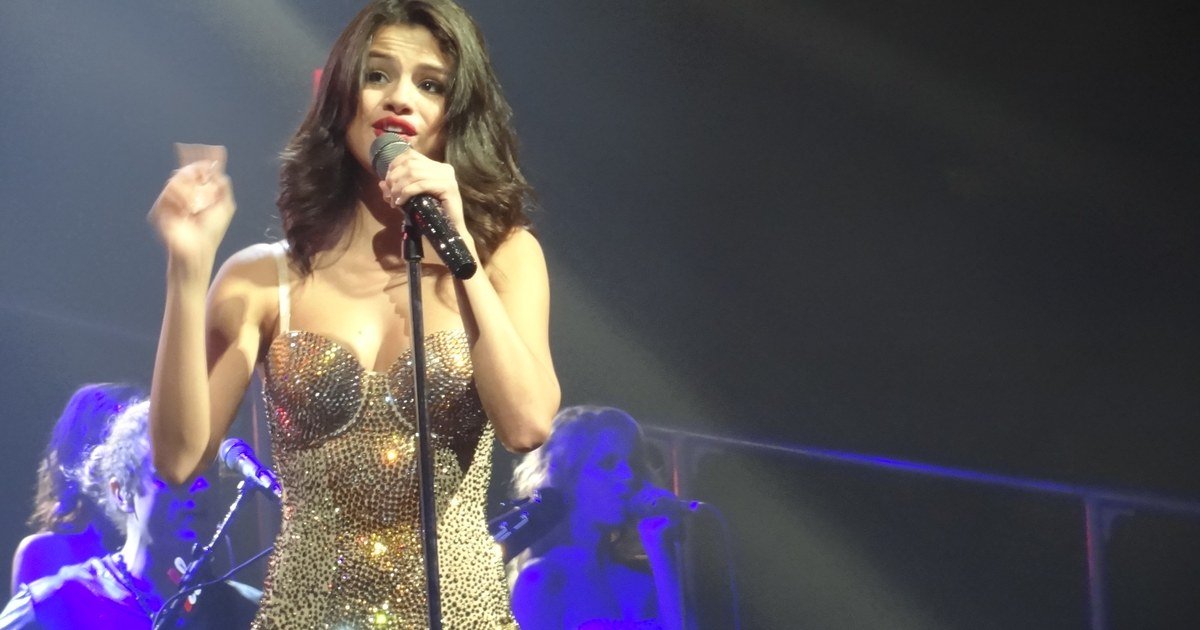
There is a particular kind of celebrity Instagram post that Selena Gomez has perfected over the years: the lighting is bad, there is no makeup team, no glam squad, no ring light — and she is telling you something she probably didn’t have to tell you at all.
This week’s edition — a Sunday Instagram Stories confession that vaping nicotine “changed” her voice and that quitting has been “really hard” — was pure Gomez. Funny (“just don’t listen to it”), self-deprecating (“it’s so stupid”), and quietly devastating in its honesty. Within hours, it was everywhere: headlines, reaction videos, think pieces about celebrity candor.
But the vaping post wasn’t an anomaly or a one-off overshare. It was the latest entry in a years-long, deliberate project that has made Gomez arguably the most honest major celebrity on social media — and transformed that honesty from a potential liability into the very foundation of a business empire.
The Disney Exit
Gomez started where so many child stars start: as a product. The Wizards of Waverly Place years (2007–2012) made her a teen idol, but the Disney machine demanded perfection — the smile, the soundbites, the careful, focus-grouped nothingness of it all. Her break from that mold didn’t happen with a rebellious album or a scandal; it happened with something far more subversive. She started telling the truth.
The Health Confessions

Lupus. Chemotherapy in 2015. A kidney transplant in 2017, donor: her best friend Francia Raisa, announced with a hospital-bed photo. A bipolar disorder diagnosis shared casually on Instagram Live in 2020. Each time, Gomez bypassed the traditional celebrity crisis playbook entirely — no exclusive magazine interview, no tearful press tour, no documentary crew. She just… told people. Directly. The directness was disarming, and it rewired her relationship with her audience permanently. Fans stopped being spectators and became confidants.
Love, On Her Own Terms
She brought the same candor to her personal life. When she got engaged to songwriter-producer Benny Blanco in December 2024, she shared the news herself, with a picnic-table ring reveal and the kind of unfiltered joy that felt like a text from a friend. Their wedding in September 2025 was the same — intimate, personal, and announced on her own terms, with Gomez sharing the moments that mattered and keeping the rest for herself. In a culture where celebrity relationships are either PR campaigns or cautionary tales, she made hers feel like something else: just a relationship.
Rare Beauty: Honesty as a Business Model
In 2020, Gomez launched Rare Beauty, and the brand’s DNA was unmistakable: it was the commercial embodiment of everything she had been preaching for years. The messaging rejected perfectionism outright — the products were designed for real faces, real hands (including adaptive packaging for people with dexterity issues, a nod to her own lupus-related struggles). The Rare Impact Fund committed to raising $100 million for mental health services. Industry skeptics predicted a vanity project that would fizzle within two years; instead, Rare Beauty became one of the most successful celebrity beauty brands in history — precisely because customers believed the founder actually meant every word of it.
The recent inaugural Beauty Impact Award, honoring her barrier-breaking mental health advocacy, was the beauty industry’s way of admitting she was right: authenticity isn’t just a vibe, it’s a strategy — but only if it’s real.

The Voice Posts: A Case Study
Which brings us back to the voice. Fans had been speculating about audible changes in Gomez’s vocal tone for years — comment sections full of theories, some kind, some cruel. In December, she addressed it on Instagram Live with typical bluntness: “I’ve gotten this question a few times. The voice thing. Sometimes things happen. I get weird. My throat kind of swells inside sometimes. That’s all.”
This week, she went further than anyone expected, naming nicotine as the cause and warning others off with genuine feeling: “It’s just not worth it.” Notice what she didn’t do: blame the vaping industry, craft a medical excuse, hire a crisis team, or disappear until it blew over. She laughed at herself, admitted quitting was “really hard,” confessed she hopes she “can keep it up,” and told struggling fans they could get through it too.
It was, in miniature, the entire Gomez method: bad lighting, total honesty, zero self-pity.
Why It Works When Others Fail

The genius of Gomez’s approach is that it inverts the usual celebrity-fan power dynamic. Most stars use social media to project a life — the vacations, the glam, the effortless perfection. Gomez uses it to puncture the projection. When she says “getting older has been so much fun. I’m not scared at all” — as she did in last month’s PEOPLE cover story — it lands with real force, because she has spent years showing the un-fun parts too: the hospital stays, the diagnoses, the days when her throat swells and her voice won’t cooperate.
Her role as Mabel Mora on Only Murders in the Building feels like the fictional counterpart to this persona: dry, guarded, funny in spite of herself, carrying damage without making it anyone else’s problem. Art and life, each informing the other.
The Takeaway
In an era of curated authenticity — where “being real” is itself a meticulously produced content strategy, complete with strategically messy buns, no-makeup makeup, and vulnerability scheduled between brand deals — Selena Gomez remains genuinely, almost recklessly real. She posts about the things her team probably wishes she wouldn’t: the voice, the vaping, the diagnoses, the bad days, the swelling throat.
And her hundreds of millions of followers keep showing up for it. Maybe because in a feed full of filters, the most radical thing a celebrity can do is what Gomez did on Sunday night: turn on the camera in bad lighting, tell the truth about something embarrassing, laugh at herself, and log off.
There’s a business lesson here, too, that the industry is still digesting. The old model said: protect the image at all costs, admit nothing, control everything. Gomez’s career is a two-decade case study in the opposite approach — and by every metric that matters (longevity, loyalty, cultural relevance, commercial success), it’s working better. Rare Beauty didn’t succeed despite her honesty; it succeeded because of it. Her fans didn’t stick around despite the hospital photos and the hard confessions; they stuck around because of them.
The vaping post will fade from Stories in 24 hours, as all Stories do. But the pattern it belongs to — the radical, almost stubborn insistence on telling the truth — is the reason Selena Gomez has survived child stardom, chronic illness, and the most fickle fame machine on earth with her credibility not just intact but enhanced.
“It’s just not worth it.” Honest to the very last word.