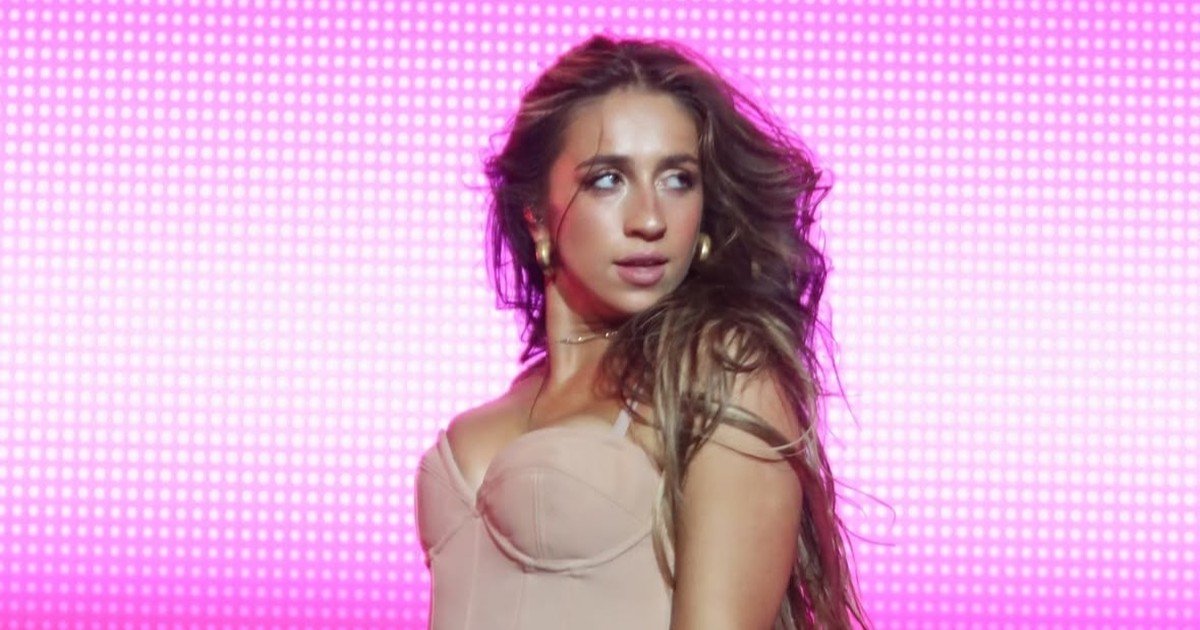
Long before the first model stepped onto the catwalk, the 2026 Victoria’s Secret Fashion Show had already made its intentions clear: this was going to be a concert with wings attached. When the night ended, the performances were competing with the lingerie for headlines — and that, according to Bethenny Frankel, is exactly how the show was always designed to work.
Tate McRae and Megan Thee Stallion were the night’s musical headliners, and both delivered the kind of high-energy setlists the broadcast has leaned on since its early-2000s peak. McRae, one of pop’s most reliable hitmakers, brought her sharp choreography and arena-sized vocals to the runway, while Megan Thee Stallion closed out portions of the evening with the commanding stage presence that has made her a festival favorite. For a brand trying to prove it still understands the culture, booking two of music’s most-streamed women was a statement in itself.
A Concert Disguised as a Fashion Show
The music-first formula is not new. As Frankel reminded her followers in her October 21 Instagram post, the classic Victoria’s Secret broadcasts always paired “a musical entertainer like a Justin Timberlake” — who performed at the 2006 show — with the models, because the producers understood something simple: people tune in for the headliner and stay for the spectacle. The 2026 edition followed that playbook faithfully, building entire segments around its performers rather than treating them as background noise.
 (Pkuczynski / Wikimedia Commons (CC BY-SA 4.0))
That structure also explains why the show keeps surviving its own controversies. A pure lingerie presentation would live or die on casting debates; a variety show with genuine pop stars gives the audience multiple reasons to watch. Reports from the night described the energy in the room as closer to an awards show than a fashion presentation, with the red carpet arrivals and front-row celebrities generating nearly as much coverage as the wings themselves.
The musical DNA of the broadcast runs deep. From its early-2000s heyday, the show treated pop stars as co-headliners: the models got the wings, but the singers got the water-cooler moments, and the pairing turned each broadcast into a cultural event rather than a catalog come to life. Frankel’s invocation of Justin Timberlake’s 2006 performance was a deliberate reminder that this formula predates the streaming era — the only thing that has changed is the size of the audience watching on their phones.
That history also explains the 2026 booking strategy. Tate McRae represents pop’s present tense — a streaming-native star with choreography built for clips — while Megan Thee Stallion brings the kind of commanding live energy that fills arenas on her own. Together, they gave the broadcast a musical spine strong enough to survive even the Fantasy Bra discourse, ensuring the night trended for its performances as much as its controversies.
The Fantasy Bra Steals the Encore
Still, no performance could fully outshine the evening’s true encore moment: Kylie Jenner’s walk in the $50 million diamond Fantasy Bra. The piece — reportedly set with thousands of diamonds around a 75.54-carat yellow center stone and built with jeweler Jacob & Co. — marked the Fantasy Bra’s return after an eight-year absence, and Jenner’s first-ever Victoria’s Secret runway appearance. The crowd reaction, by all accounts, was electric, even as the online reaction split between awe and outrage.
 (HOTSPOTATL / Wikimedia Commons (CC BY 3.0))
The backlash focused on the optics: a nine-figure jewel worn for a few minutes on television while many viewers feel squeezed by the economy. It was precisely this criticism that Frankel addressed, arguing that the brand’s job is to sell fantasy and that Jenner’s casting was a commercial decision, not a moral one. “Money talks, Kylie Jenner walks,” she wrote, “and they got to sell bras throughout the year.”
There is also a cold commercial logic that the outrage cycle tends to miss. A Fantasy Bra moment generates the kind of global press coverage no advertising budget can buy — days of debate across every platform, fashion editors weighing in, late-night jokes, think pieces. The 2026 edition dominated the fashion conversation for a full week on the strength of that single walk. Whether viewers approved or not, they watched, they shared, and they remembered the brand’s name. In the attention economy, that is the entire game.
Angels Old and New
Lost in some of the noise was the casting itself, which mixed eras deliberately. Barbara Palvin, Adriana Lima and Alessandra Ambrosio — names synonymous with the brand’s golden age — walked alongside newer faces, a lineup choice that echoed Frankel’s point about the show’s evolution. The 2026 production leaned into body positivity and a more multicultural cast than the old broadcasts, even while keeping the high-gloss fantasy intact.
 (Georges Biard / Wikimedia Commons (CC BY-SA 3.0))
Whether that balance satisfies the critics is an open question, but the ratings logic is hard to argue with. The show generated days of conversation, the performances trended across social platforms, and the Fantasy Bra — love it or hate it — became one of the most-discussed fashion moments of the year. Frankel’s defense may not convert the skeptics, yet her core claim stands: nobody tunes into this broadcast expecting restraint. They tune in for the halftime-show energy, the wings, and the water-cooler moment. On all three counts, 2026 delivered.
The veteran presence mattered more than the discourse admitted. When Adriana Lima — who has closed the show in years past and remains its most iconic face — walks a runway, she carries two decades of brand mythology with her. That continuity is the quiet counterweight to the influencer debate: the show can hand its biggest moment to a creator with a billion impressions while still letting its legends remind everyone where the fantasy was born. It is a both/and strategy, and judging by the week-long conversation that followed, it worked exactly as designed.