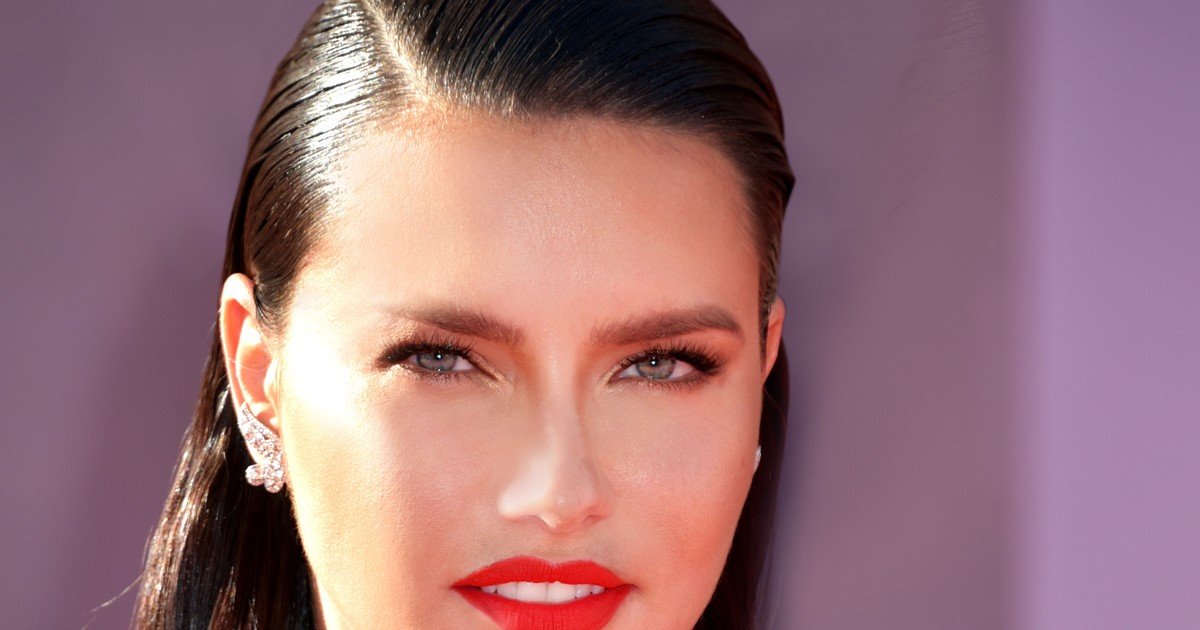
Buried in Bethenny Frankel’s fiery defense of the 2026 Victoria’s Secret Fashion Show was a single sentence that may outlive the entire controversy: “Influencers are the new supermodels.” It was not a throwaway line. It was a diagnosis of where fashion now lives — and a warning to anyone still casting their campaigns like it is 2006.
For decades, the supermodel pipeline was ruthlessly simple. Agencies scouted teenagers, magazines anointed them, and runway shows like Victoria’s Secret turned a chosen few into household names. The runway show was the coronation. Today that pipeline has been rerouted through phone screens. A creator with a ring light and a loyal audience can now command the kind of attention that once required a lookbook spread, a couture contract and a decade of dues-paying — and brands have noticed.
The Showstopper Is No Longer Who You Think
Kylie Jenner’s appearance at the October 18 show was the purest expression of the shift. She is not a runway veteran; she is a beauty mogul with a social following larger than the population of most countries. When she closed the evening in the $50 million diamond Fantasy Bra, she was not borrowing the spotlight from the models — in the brand’s calculation, she was the spotlight. The traditional showstopper moment, once reserved for the most established Angel, went to the person most likely to make the entire internet stop scrolling.
 (Ashley Graham / Wikimedia Commons (CC BY 3.0))
Frankel’s phrase — “don’t hate the player, hate the game” — captures the industry’s quiet acceptance of this reality. Styling teams, wardrobe departments and show producers now build productions around shareability first and tradition second. The rehearsal is choreographed for the vertical video crop as much as for the arena audience. The afterparty is content. The runway is, increasingly, a film set.
The numbers explain why no brand is going back. A legacy supermodel might move magazine covers; a top-tier creator moves product in real time, with trackable links, same-day sellouts and an audience that trusts her taste more than any editor’s. When a beauty founder with hundreds of millions of followers wears a diamond bra on television, the resulting search traffic dwarfs what a traditional casting coup could generate. The industry did not abandon the old model out of disrespect — it followed the data, and the data wears a ring light.
What the Old Guard Gets Wrong
The backlash to Jenner’s casting followed a familiar script: she has not “earned” the wings, the argument goes, the way Adriana Lima or Alessandra Ambrosio earned theirs over years of shows. Frankel’s rebuttal is that “earned” was always a story the industry told about itself. The old shows, she reminded everyone, were spectacles built on “girls drinking champagne and smoking cigarettes” trying to stay impossibly thin — not exactly a meritocracy worth defending. The game changed; the only question is whether the players change with it.
 (hayu / Wikimedia Commons (CC BY 3.0))
There is also a dollars-and-cents reality that nostalgia cannot beat. A traditional supermodel moves magazines; an influencer moves product in real time, with trackable links and same-day sellouts. When Victoria’s Secret names a brand ambassador today, the first metric is not walk quality but conversion rate. Frankel, who built SkinnyGirl into a nine-figure exit by understanding exactly how modern audiences buy, grasps this better than most of the show’s critics.
For aspiring models, the message is both liberating and brutal. The gatekeepers still exist — agencies, editors, casting directors — but they are no longer the only door. A teenager with a phone can now build the audience first and let the fashion world come calling, a reversal of the old order that would have been unthinkable twenty years ago. The trade-off is that the audience must be earned daily, in public, with no off-season. The new supermodels do not get discovered; they get followed.
The Runway Isn’t Going Back
None of this means the classic supermodel is extinct — Palvin, Lima and Ambrosio walking the 2026 show proves the old guard still draws a roar. But their presence now functions as heritage styling, a nod to history inside a production optimized for the feed. The center of gravity has moved, permanently, toward the people who own their audiences outright.
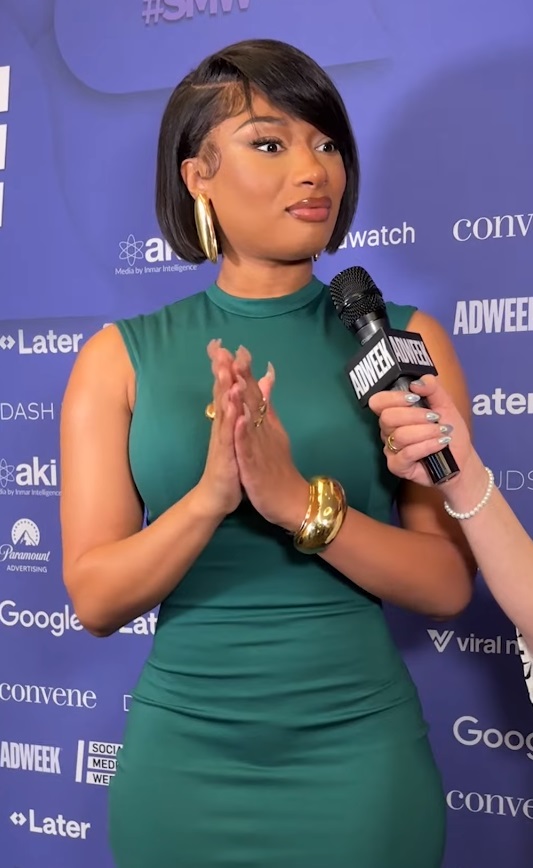 (ADWEEK / Wikimedia Commons (CC BY 3.0))
Frankel’s post will be remembered less for defending one lingerie show than for naming the era plainly. The fashion industry spent years pretending the influencer takeover was a phase. It is not a phase; it is the business model. The new supermodels do not wait to be discovered — they arrive with the audience already in hand, and the runways, finally, are learning to make room.
Even her throwaway jab at the audience — the “finance bros in suits” line — doubled as business analysis. The front row has always been part of the product: the cameras cut to it, the memes come from it, and the spectacle is incomplete without witnesses famous enough to be photographed watching. In the influencer era, the audience is content too. Frankel, never one to waste a punchline, managed to insult the crowd and explain the business model in the same breath. That is why her posts travel: she says the quiet part, loudly, and the industry quietly takes notes.