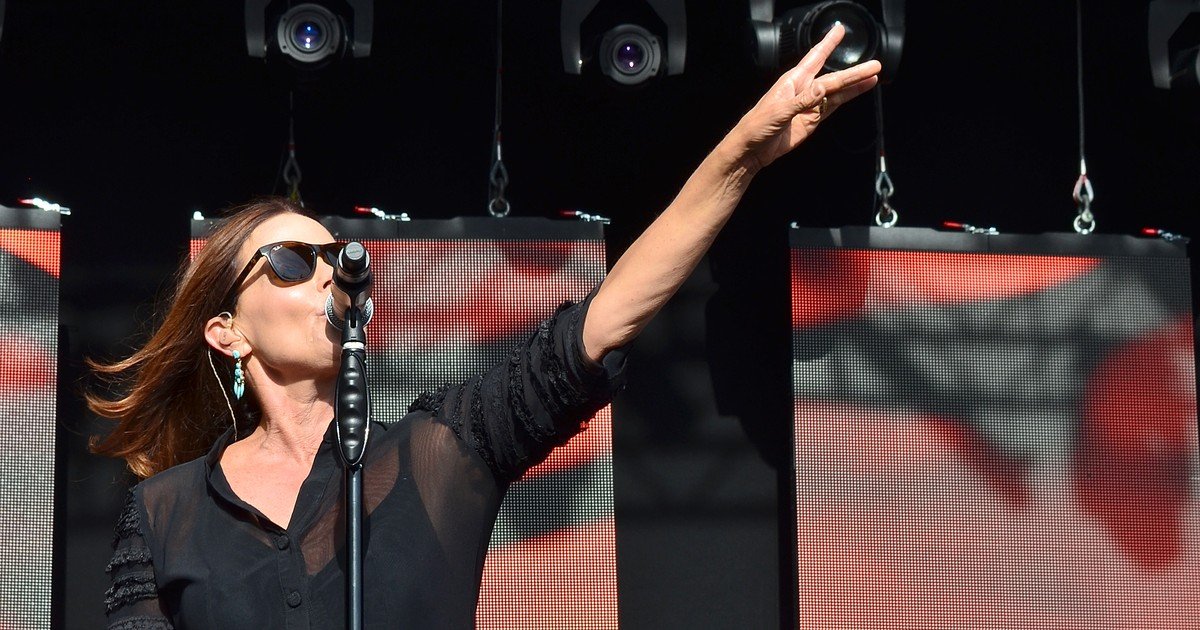
Before the synthesizers, before the hair, before the videos — there was a racket coming out of the back rooms of London and New York clubs. New wave did not appear from nowhere in the 1980s. It was punk’s smarter younger sibling, a Post-punk generation that kept the attitude and the energy but added melody, art-school ambition and, crucially, a beat you could dance to. The new MGM+ docuseries New Wave, premiering Nov. 23, 2026, tells the story of that transformation — how a noisy underground scene became the sound of a decade. Here is how it happened.
1977: Punk Tears Up the Rulebook
When punk exploded in 1977, its great gift was permission. Anyone could form a band, and thousands did. Among the London hopefuls was a young musician named William Broad playing in Generation X, a band that mixed punk’s speed with genuine pop hooks. Broad soon renamed himself Billy Idol, and his journey — club punk to global star — became the template the whole movement would follow: keep the sneer, learn the chorus, never apologize.
Punk burned bright and fast, but its children wanted more than three chords and a snarl. Armed with cheap synthesizers, secondhand suits and ideas borrowed from art school, they built something stranger and more colorful: music that could fill a dance floor and a stadium at the same time. By the turn of the decade, new wave was ready for its close-up.
The economics mattered too. Independent labels sprang up to release records the majors wouldn’t touch, fanzines spread the word, and cheap instruments and synthesizers meant a band could sound like the future on a tiny budget. Britain’s art schools quietly functioned as research labs for pop, turning out designers, filmmakers and musicians who thought in images as much as in songs. When television came calling, that generation was already fluent in the language it needed.
 (Mandy Coombes / Wikimedia Commons (CC BY-SA 2.0))
MTV Changes Everything
In August 1981, a new American cable channel called MTV went on the air, and pop music changed overnight. Suddenly a song needed a look as much as a hook, and the British and art-school acts of the new wave — raised on fashion, film and visual flair — arrived ready-made for the camera while older rock stars were still blinking at the lights.
That same year, a Los Angeles band called the Go-Go’s released “We Got the Beat,” two and a half minutes of handclaps, harmonies and pure momentum. Their debut album, Beauty and the Beat, climbed to No. 1 on the Billboard chart — a first for an all-female band that wrote its own songs and played its own instruments. It is no accident that the trailer for New Wave is built around that very song: in 1981, it was the sound of the underground kicking the mainstream’s door off its hinges.
Video also rewired fame itself. A striking look could now travel faster than a tour bus, which is why so many new wave stars — Boy George’s painted face, Idol’s sneer, Carlisle’s California glow — became instantly recognizable on several continents at once. Record companies learned to sell personalities as much as records, and the template they built in the early eighties is still, in the age of social media, the template pop uses today.
 (S Pisharam / Wikimedia Commons (CC BY 2.0))
The Craft Behind the Costumes
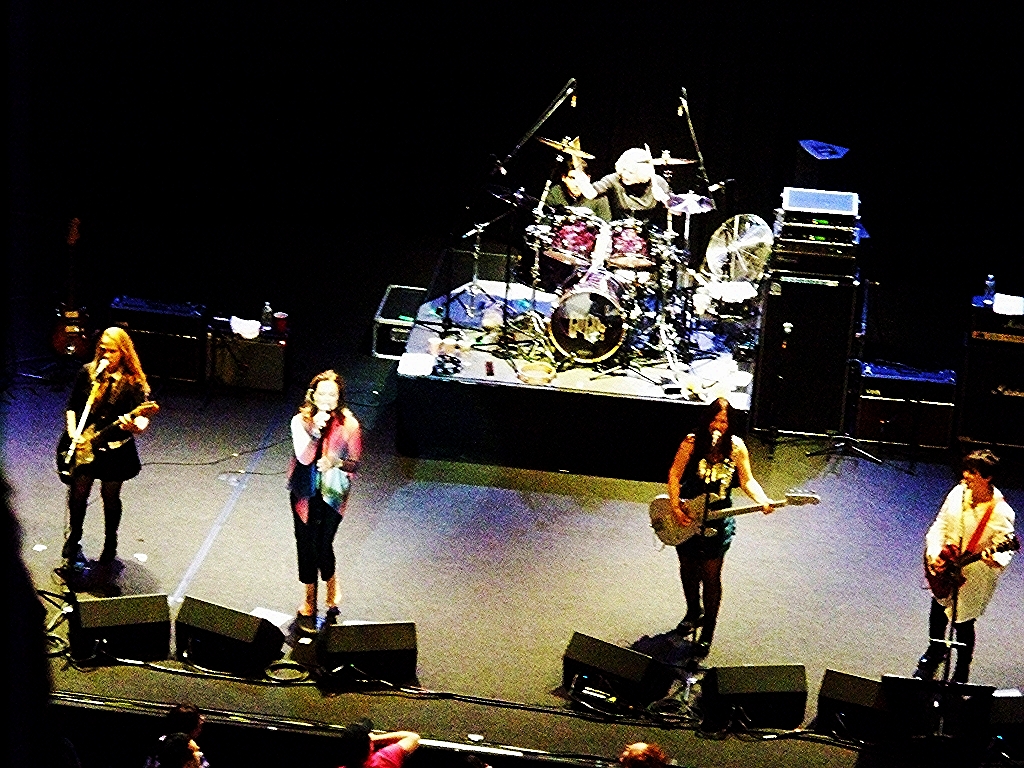
It is easy to remember the outfits and forget the musicianship. The Police built stadium-sized songs on reggae rhythms and Stewart Copeland’s razor-sharp, jazz-inflected drumming, becoming the biggest band in the world in the process. Talking Heads turned New York anxiety into funk, expanded into a glorious multiracial big band, and spun off Tom Tom Club, whose “Genius of Love” became one of the most sampled records ever made.
 (Michael Borkson / Wikimedia Commons (CC BY 2.0))
A Bigger, More Open Mainstream
New wave’s most radical move may have been deciding who got in. Women fronted the bands, played the instruments and wrote the hits. Queer artists like Boy George became household names entirely on their own terms. When Belinda Carlisle stepped out from the Go-Go’s, her Solo Career delivered the album Heaven on Earth, powered by the 1987 No. 1 single “Heaven Is a Place on Earth” — a former punk-club singer ruling the pop charts without diluting an ounce of her personality. Across the Atlantic and back again, Idol’s “Rebel Yell” did the same for punk’s sneer, turning a club anthem into an arena standard.
The Legacy Echoes On
Time has delivered its verdict. The era’s architects have been ushered into the Rock and Roll Hall of Fame — the Go-Go’s, Talking Heads and The Police among them — while their records keep resurfacing in films, adverts and the samples of new hits. Modern pop’s DNA, from its synthesizer textures to its fashion daring to its do-it-yourself streaming-era economics, was written between 1977 and 1987.
The influence keeps compounding. Synth-pop’s machinery powers today’s chart hits, post-punk’s angles echo through indie rock, and the era’s biggest songs are constantly recycled through samples, covers and screen soundtracks. Every generation of teenagers that discovers “We Got the Beat” or “Rebel Yell” hears the same invitation the original fans heard: dress up, plug in, and make something unmistakably yours. New wave’s real legacy is not nostalgia — it is permission.
That is the story New Wave sets out to tell, with Billy Idol, Boy George, Belinda Carlisle and their peers as guides. “The fashion, the sound, gave you a sense of freedom,” Idol says in the trailer. Four decades on, that freedom still sounds brand new. The four-part series premieres Nov. 23, 2026, on MGM+.