There is a version of this story that writes itself: a famous actress, an alleged mid-flight meltdown, handcuffs at JFK. It is also the least interesting version available. The story Selma Blair has actually been telling for eight years — since the day she told the world she had multiple sclerosis — is about something slower and harder: what it costs a person to manage a body that will not reliably cooperate, in public, for a living. This month’s headlines are best read as a chapter in that story, not a replacement for it.
A note on tone before anything else, because this story deserves it: everything the prosecutors describe is alleged, the charges are pending, and Blair has pleaded not guilty. What follows is not a verdict on October 11. It is an attempt to understand why the people who know her best keep answering questions about an arrest with information about a disease — and why that answer, given her history, is not the evasion it might appear to be.
The Career That Made Her, the Diagnosis That Remade Her
Blair arrived as a face of the late nineties: the wide-eyed Cecile in Cruel Intentions, then Vivian Kensington, the polished rival in Legally Blonde who ends the film as a friend. Those roles made her a fixture of a generation’s memory — the reason rooms like 90s Con still fill to see her. Then, in 2018, came the diagnosis she had chased through years of unexplained symptoms, and her career acquired a second act no publicist would have designed: patient, advocate, author.
She filmed her treatment, walked red carpets with a cane, and wrote it all down. The cane was not a prop and the candor was not branding; it was a woman converting a private burden into public information, one interview at a time.
 (The White House / Wikimedia Commons (Public domain))
An Illness You Cannot See From Row 14
Multiple sclerosis is the classic invisible illness: on a good day its owner looks entirely well, and on a bad one the wiring misfires in ways strangers misread. Add pseudobulbar affect, which can detach a person’s expressions from their intentions, and you have a condition almost engineered to be misjudged in a crowded, stressful, sealed tube at altitude — which is, her team argues, roughly where the alleged incident belongs in the telling.
None of this is a legal argument, and Blair’s lawyers will make those in court, where allegations must be proved. It is a reading argument. Her public statement of October 16 asked for the “entirety of the facts” before judgment — a request that costs the rest of us nothing and is, not coincidentally, exactly what she has asked of audiences since 2018: look at the whole picture.
The Appearance That Said More Than the Statement
Consider the choice she made the same week: showing up to work. At 90s Con, surrounded by the fans who grew up with her, Blair appeared in public for the first time since the arrest, and the organizers called the experience “welcoming and genuine.” In an era when the standard celebrity play after an arrest is disappearance, her visibility read as something else — a refusal to let the worst alleged day become the only current fact about her.
 (Joella Marano / Wikimedia Commons (CC BY-SA 2.0))
Against the Comeback Script
Entertainment culture will try to file this under the comeback story, because that is the only drawer it keeps for stories like hers. But anyone who read her Mean Baby knows Blair never wrote her life that way. The memoir’s honesty about pain, addiction and illness was not a setup for a redemption arc; it was an argument that a life can be both difficult and worth describing accurately. The current chapter fits that argument precisely. The work in front of her is not a rebrand. It is managing a chronic illness — doses kept, rest defended, a support system leaned on — while lawyers handle the rest.
That is also why the fairest coverage of this case will keep two sentences in view at once. The allegations are serious, they involve crew members doing their jobs, and they deserve a real process. And the woman accused has pleaded not guilty, is entitled to the presumption of innocence, and carries a documented medical reality that her team says explains more than the headlines have room for.
 (颐园居 / Wikimedia Commons (CC BY-SA 4.0))
A Dog Named Scout, and the Logistics of Dignity
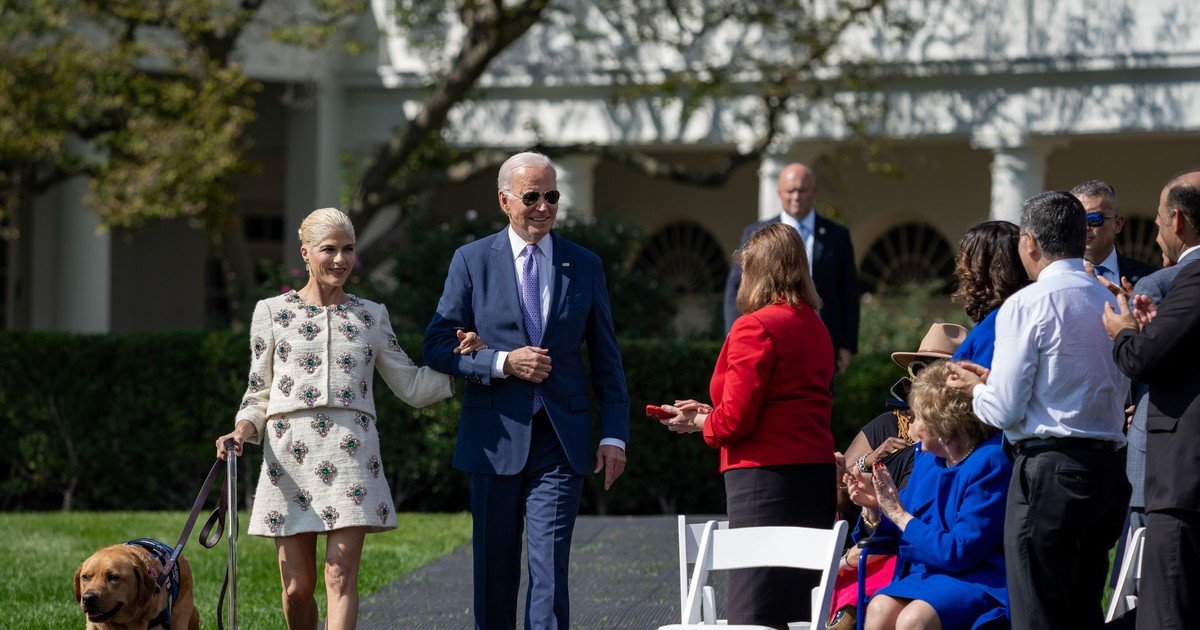
One detail from the flight deserves more attention than it has received: Scout, her service dog, was taken from her during the response. For most travelers a service animal is a heartwarming sight in the aisle. For the handler, the dog is equipment and lifeline at once — trained assistance for balance, orientation and calm, and a piece of the medical system she builds around herself to move through the world at all. Whatever happened in that cabin will be sorted out by courts. But the image of a woman with MS separated from her service dog mid-crisis is a useful reminder that the systems around disability are fragile precisely when they are needed most, and that dignity, for people managing conditions like hers, is often a logistics problem before it is anything else.
What ‘Really Trying’ Actually Looks Like
The most human line in this week’s reporting came from a source, not a statement: “She’s not perfect. But she’s really trying.” Strip away the celebrity frame and that sentence describes millions of people with chronic conditions on their hardest weeks — embarrassed by a body that embarrassed them, apologizing for symptoms, starting the management over again the next morning.
Blair’s hardest fight was never going to be a headline cycle; headlines move on by Friday. It is the same fight she has described for eight years, conducted in doctor’s offices and dosage schedules and the company of a service dog named Scout. If the public learned anything from her advocacy, it should be how to watch this chapter: without cruelty, without verdicts, and with the whole of the facts held patiently in view.