The arrest of Selma Blair aboard a Delta Air Lines flight this month has been told mostly as a crime story. Look closer at the record her team is building, and a second story runs underneath it — about medication schedules, a working service dog, and what happens when a chronic illness meets the sealed, stressful environment of a commercial cabin. Both stories now sit with prosecutors, and untangling them is the real work ahead.
Inside the Allegations
The state case rests on what allegedly happened between Los Angeles and New York on October 11. Prosecutors say Blair punched one flight attendant and bit another crew member during the flight, and that a nurse and a Port Authority police officer were also assaulted around the arrival at JFK. Blair was arrested at the airport, arraigned the next day in Queens, and released on bail after pleading not guilty to two counts of second-degree assault.
It is important to be precise about the status of those claims. They are charges, filed and pending — not verdicts. Blair’s representatives have not conceded the prosecution’s version of events, and her attorney has offered an alternative explanation rooted in her health rather than her intent.
 (The White House / Wikimedia Commons (Public domain))
The Medication Question
Attorney Shawn Barnes says Blair had been dealing with missed medication — several doses of her MS treatment skipped amid a heavy work schedule in the period before the flight. Her representative described the episode as a medical emergency that led to the alleged conduct. For readers unfamiliar with multiple sclerosis, the point is not exotic: MS is a disease of the central nervous system whose symptoms can include confusion, emotional volatility and loss of inhibition when the disease is active or treatment lapses.
Blair also lives with pseudobulbar affect secondary to MS, which can produce emotional expressions disconnected from intent. None of that, on its own, decides a criminal case — intent and evidence still rule in court. But it explains why her team is determined that the medical record travel with the police record wherever this story is told.
Two Courtrooms, One Flight
The legal map is unusually wide. The state case is expected in Queens criminal court, where the assault counts will be tested. At the same time, a federal investigation is under way: the FBI is examining the incident, and federal petty violation charges in Brooklyn are anticipated, reflecting the federal government’s long-standing jurisdiction over interference with flight crews. Blair’s service dog Scout, who was on the flight and was removed from her during the response, has become a quiet symbol in coverage of the case — a reminder that the passenger at its center travels with medical assistance, not entourage.
 (Noah Wulf / Wikimedia Commons (CC BY-SA 4.0))
Why the Disability Community Is Watching
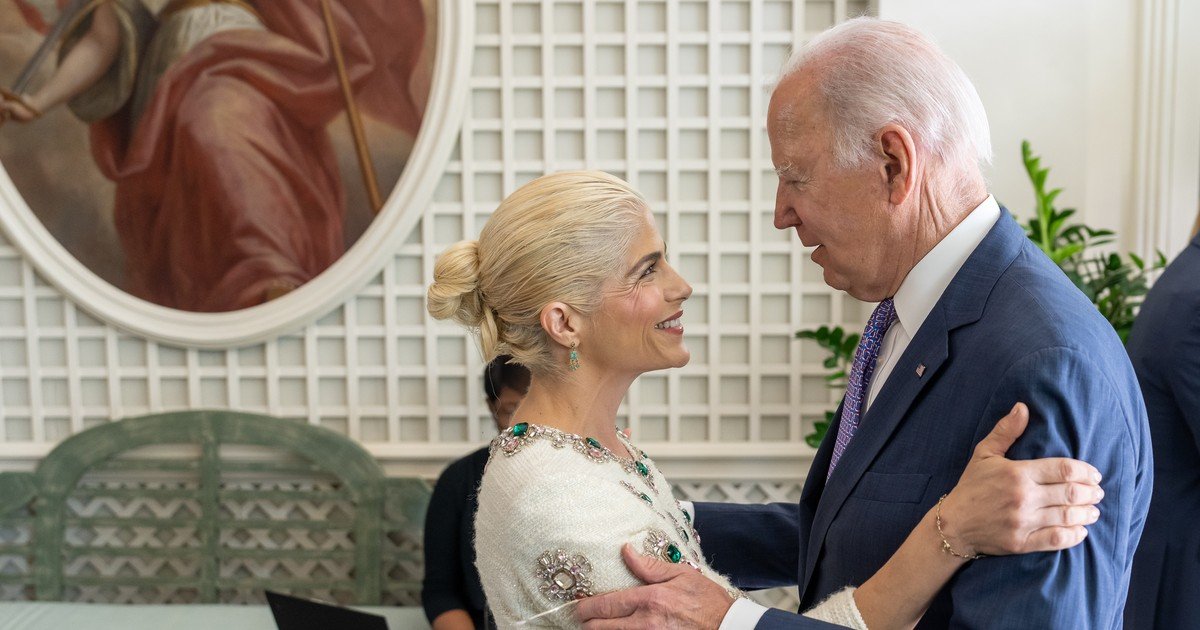
Long before this autumn, Blair had built a second career in disability advocacy. After her 2018 diagnosis she documented her treatment in film, wrote a memoir, and appeared at the White House in 2023 for an Americans with Disabilities Act celebration, arriving with President Joe Biden. That history is why advocates are following the case with a particular concern: that a woman who taught many people what MS looks like might now be reduced, in coverage, to a single alleged episode stripped of the condition she has spent years explaining.
Her October 16 statement asked for exactly that completeness: “There is much more to this story than has been reported… consider the entirety of the facts before rushing to judgment.” The same day, she appeared at 90s Con, where organizers defended her warmly — evidence that the nostalgia circuit, at least, is treating her as a colleague in difficulty rather than a headline to drop.
What Happens Next
Procedurally, the months ahead are unglamorous: court dates in Queens on the state counts, a federal review running in parallel, and negotiations that rarely make headlines until they resolve. Blair’s team will likely press the medical evidence early, arguing that intent — the element the prosecution must prove for the assault counts — cannot be separated from her documented condition and the medication lapse her attorney describes. Prosecutors, for their part, will point to the crew members and responders who were allegedly hurt and to the seriousness with which aviation law treats any violence in a cabin.
Reaction among her peers and fans has been notably restrained compared with the usual celebrity-arrest cycle. Fellow actors from her generation have largely declined to comment, while MS organizations have used the moment to explain, again, what the disease does to cognition and emotional regulation. It is an odd kind of public conversation — an arrest producing neurology lessons — but it is the conversation Blair herself started years ago, and it may be the one outcome of this episode she would have chosen.
Managing the Unmanageable
Living with a chronic illness means managing a body whose reliability cannot be scheduled. MS moves through relapse and remission, and the management — doses, rest, assistance, routine — is a system that travel and overwork can break. A source close to Blair summed up her current focus to PEOPLE with plain sympathy: she is embarrassed, she is upset, and she is trying to manage her health, which “can be a lot to handle.”
 (LGEPR / Wikimedia Commons (CC BY 2.0))
The courts will decide the legal questions, on evidence, in their own time. The medical questions are slower and less dramatic, and they were there before the flight and will be there after the verdicts. For Blair, the deeper report is not really about one bad day at 35,000 feet. It is about whether a person can hold together the fragile logistics of a serious illness while the whole world watches her try. Her next court appearances will add filings and dates to the record; her next health update, when it comes, will matter more to the people who love her — and, if her eight years of advocacy are any guide, she will eventually insist on telling that part of the story herself, in full, and in her own words.