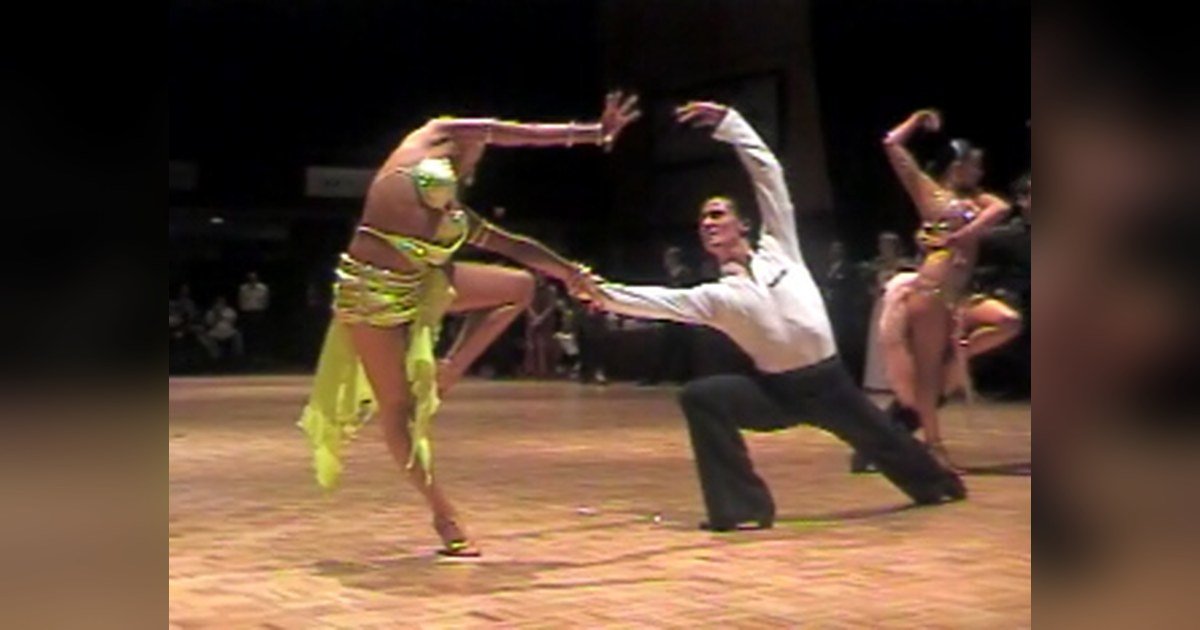
To understand why Val Chmerkovskiy’s suspension feels so seismic, you have to understand one thing about Dancing with the Stars: the Chmerkovskiy brothers have been arguing with judges for fifteen years. It is practically a family tradition. What changed this month is not the argument — it is that, for the first time in 35 seasons, the show answered back with a punishment. Val’s one-week ban is the moment DWTS’s oldest feud collided with its newest reality: life on social media.
A family tradition of fighting the desk
Val’s older brother, Maksim Chmerkovskiy, wrote the playbook. In season 13 — the same season a young Val joined the show — Maksim bristled after head judge Len Goodman tore into his partner Hope Solo’s routine, and he said the quiet part out loud in front of the cameras: with all due respect, he declared, this was his show, and he had helped make it what it was. The clip became instant DWTS folklore. Maksim was brash, unfiltered and convinced the judges did not respect the work the pros put in.
The feud never really ended; it just changed temperature. Maksim eventually won his Mirrorball in season 18 with Olympic ice dancer Meryl Davis, and over time the brothers became the show’s elder statesmen. But the instinct never left the family: a Chmerkovskiy who believes a partner has been disrespected does not stay quiet.

Val: the protector, perfected
Val built his own legacy on a version of the same fire. He won the Mirrorball with Rumer Willis in season 20 and again with gymnast Laurie Hernandez in season 23, earning a reputation as the pro who bonds fiercely with his partners and defends them relentlessly. Colleagues describe a perfectionist; fans see a romantic leading man. Both readings miss the essential trait: loyalty, loudly expressed.
That is why the events of October make a grim kind of sense. The critique that started this was not aimed at Val at all. It was aimed at his wife, Jenna Johnson — her choreography, her samba content, her alleged lift. Val stood behind her in the skybox, shaking his head on live television. Defending the people he loves is not a lapse in his character. It is his character. The question the show had to answer was whether character excuses method.
The shadow of the slap
Method is where the Oscars slap comes in. When Will Smith strode onto the Academy Awards stage in 2022 and struck Chris Rock over a joke about Jada Pinkett Smith, the moment curdled within hours from shocking television into something darker — and the Academy ultimately banned Smith from its events for ten years. “Defending my wife” became, permanently, a phrase with a warning label.

Val’s deleted post — “You almost saw Fresh Prince enter the ballroom last night” — borrowed the energy of that moment as a joke. But in 2026, there is no version of referencing the slap that reads as innocent. Fans heard a threat. Carrie Ann Inaba, the judge whose critique prompted it, heard one too, answering with a screenshot and six words: “So this is what we are doing now?” His apology acknowledged the miscalculation, and his second statement insisted the intent was defense, not violence. The gap between intent and impact is exactly where this controversy lives.
The rulebook versus the show
Beneath the personalities sits a genuine creative tension that has simmered for decades. The pros are hired to entertain — to build routines that make audiences vote. The judges are hired to guard the craft — footwork, frame, and yes, the rulebook. The lift rule that sparked this feud is a perfect example. A lift is crowd-pleasing, photogenic and expressly forbidden in traditional ballroom and Latin styles, where at least one foot is meant to stay on the floor. Inaba did not invent that standard; she produced the show’s own written definition and read it aloud.
From the pros’ side of the floor, though, judging by the letter can feel like judging against the spirit of a television show — especially when the call is made publicly, mid-broadcast, against a routine the audience just roared for. Nearly every great DWTS argument, from Maksim’s era to this one, is some version of that same collision: artistry versus athletics, entertainment versus tradition. The lift dispute was never really about a lift. It was about who gets to define what good dancing is — and this time, the argument escaped the ballroom and followed everyone home.
Where this ranks in DWTS controversy history
The show has weathered outrage before — contentious eliminations, judges’ comments that aged badly, celebrity scandals that spilled into the ballroom, seasons warped by voting controversies. Through all of it, the franchise’s discipline stayed backstage and invisible. Nobody was ever formally suspended. The harshest tool producers used was the quiet word.

That is what elevates this episode above a celebrity spat. BBC Studios did not whisper; it published. Its statement invoked the well-being of everyone who works on the show as “non-negotiable” and ruled the post out of bounds in writing. A boundary that used to be understood is now on the record, and every pro, celebrity and judge on the show will be measured against it.
It also redraws the oldest relationship in the ballroom. Len Goodman, the head judge whose name now adorns the trophy, sparred with the Chmerkovskiys for years — and it was understood as theater, two proud camps performing a rivalry everyone secretly enjoyed. This month’s clash was not theater. It played out in deleted posts and screenshot receipts, and it ended with a pro sent home. The judges’ desk and the dance floor are supposed to meet for ten seconds of scores at a time. Now they meet everywhere, all week, on everyone’s phones.
What the ballroom looks like now
However Oct. 27 unfolds — whether Val returns to a warm welcome, a frosty desk, or not at all — the show has crossed into a new era. The pros will still post; their feeds are too valuable to the franchise to silence. But every one of them now knows the price of a careless caption, because one of the most respected dancers in the show’s history is paying it.
There is a final irony in that. The Chmerkovskiy brothers spent a decade and a half teaching Dancing with the Stars how much passion its audience wanted. In the end, it was passion — a husband’s, expressed in eleven words on TikTok — that taught the show how much it was willing to punish.
1 thought on “The Ballroom’s Oldest Feud: How Val Chmerkovskiy vs. the Judges Became DWTS’s Most Explosive Story”