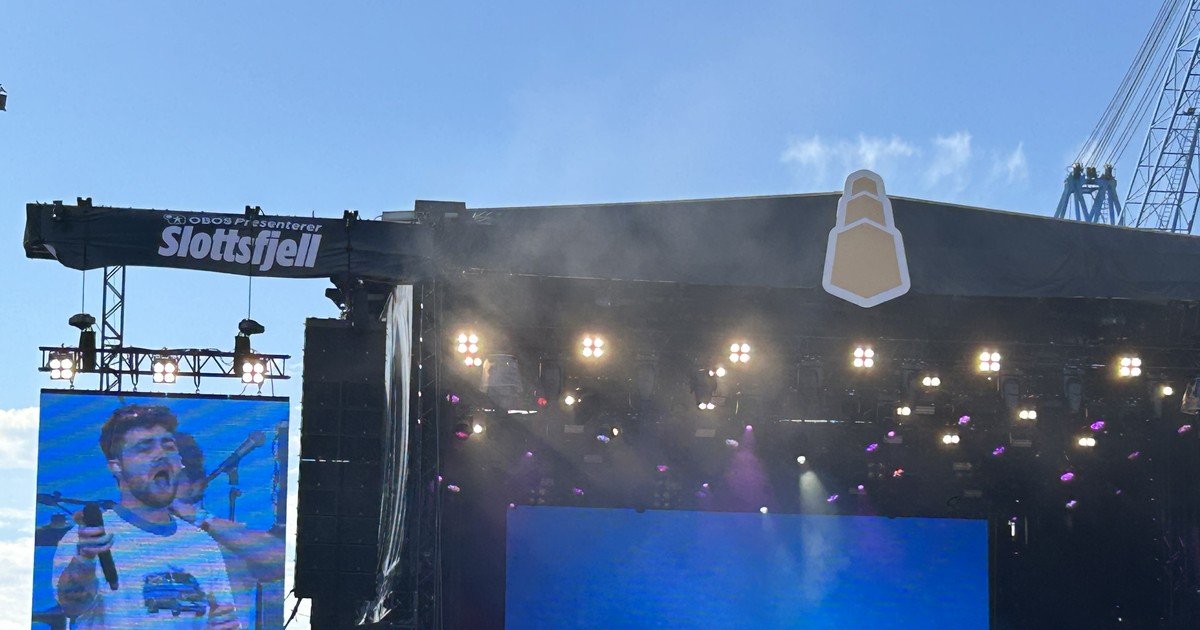
Alex Warren has heard plenty of unusual fan stories on the road, but even by pop-star standards, this one stops people mid-sentence. In a new Rolling Stone conversation published on October 20, 2026, the 26-year-old singer revealed that fans regularly bring the ashes of their dead parents to his concerts — carried in urns or even in bags — so that he can sign them. And far from being unsettled by the ritual, Warren says he welcomes it. “I love it,” he said.
The revelation came during Musicians on Musicians, the magazine’s annual series pairing artists in conversation, where Warren sat down with country singer Megan Moroney. “People will bring their dead parents to my show,” Warren explained. “They’ll put the ashes in the urn or in a bag, and they’ll bring them to my show and have me sign them.” He acknowledged that some people might find the practice “uncomfortable,” but made clear that he is not one of them.
A Signature Unlike Any Other
Autograph culture usually stops at album sleeves, posters and the occasional guitar. A Cremation Urn is something else entirely: it is among the most personal objects a family owns, and handing one across a barrier to a pop star is an act of striking trust. Yet for Warren’s audience, the gesture has become a recognizable part of the concert experience, repeated often enough that he discussed it as a familiar feature of his tours rather than a one-off oddity.
 (Warner Music New Zealand / Wikimedia Commons (CC BY 3.0))
The setting is typically the Meet and Greet line or the stage barrier, where fans get a few seconds with the artist. In those seconds, Warren’s fans are choosing to share the most significant loss of their lives — and to ask him to literally leave his name on it. The signed urn then goes home as a Memorial Keepsake, an object that now holds both a parent’s remains and a connection to the music that helped their child through mourning.
Why His Music Invites This
To understand the urns, you have to understand the songs. Warren’s breakthrough hit Ordinary turned a tender love song into a global smash, but across his catalog his writing returns again and again to loss. He has been open about his biography: he lost both of his parents while still young, experienced homelessness, and met his now-wife, Kouvr Annon, during that unstable period of his life. His material is not grief-themed by marketing design; it is grief-themed because that is the life he lived.
Warren addressed that head-on in the same conversation. “If someone hates on me or my music, sadly that is me,” he said. “I wrote that song about my dead dad.” It is a disarming statement of artistic identity: the pain in the songs is not a persona, and criticizing the music lands, for him, as criticizing the experiences that produced it. Fans appear to hear that authenticity clearly — and respond to it in kind, bringing their own losses to meet his.
 (Austin Neill arstyy / Wikimedia Commons (CC0))
“You Can’t Control Loss”
Warren framed the fan ritual in terms of agency. “You get to keep that person alive with every conversation,” he said of the way fans talk about their late parents at his shows. “You can’t control loss, you can’t control Grief, but you can control how you react to it.” In his telling, bringing an urn to a concert is one such reaction — a refusal to let mourning be purely private, and a way of folding a lost parent into a joyful, communal night of music.
That philosophy resonates with a generation of listeners who have grown up discussing bereavement openly online. Warren built his following on social media long before his music broke through, speaking candidly to camera about his family and his circumstances. The parasocial distance that usually separates a star from an audience is unusually thin in his case, and the urn-signings are perhaps the clearest physical evidence of that closeness: fans do not treat him as a distant celebrity, but as someone who has publicly stood where they are standing.
A Tour Phenomenon That Keeps Growing
As his live career has scaled up — from intimate rooms to festival main stages — the phenomenon has traveled with him. Each retelling of the urn story tends to produce more of them, as newly bereaved fans learn that the singer on stage will not flinch from their story. What might read as morbid trivia in a headline functions, inside his fandom, as a kind of permission: permission to grieve in public, at a pop concert, without apology.
 (PattayaPatrol / Wikimedia Commons (CC BY-SA 4.0))
Warren, for his part, shows no sign of wanting the ritual to stop. The signed urn has joined the signed poster and the selfie in his fandom’s gallery of treasures — except that a piece of Signed Memorabilia like this carries a weight no merchandise ever could. “I love it,” he said, simply. Judging by the fans still lining up with their most precious possessions in hand, the feeling is mutual.
From a Car to the Main Stage
The urn ritual also throws Warren’s own arc into relief. Within a few short years he has traveled from sleeping in a car to headlining festival bills, and his audiences have made the journey legible to themselves: many first met him as a teenager filming his life from that car, long before the ballads arrived. That shared history explains why his concerts tolerate — even invite — a level of emotional exposure that would derail another star’s show. Fans are not interrupting the performance with their grief. In a very real sense, grief was the ticket in: it is what the songs are about, what the singer lived, and what a striking number of the people in the crowd came carrying. Warren’s genius, if that is the word, is administrative as much as musical — he has built a live show with enough room in it for a parent in an urn to take a seat among the living, and to be welcomed there by name.